A hedge is not just a property boundary, but a central element in garden design: it can ensure privacy, provide a habitat for animals and enrich the garden with flowers, fruit or evergreen foliage.
In this article we will show you how to find and design the right hedge for your garden: here you can find height, function, shape, suitable plants and tips for planting and caring for it!
1. Why plant a hedge? Much more than just a green screen for privacy
Hedges perform many functions:
- Privacy Policy: The thick hedges maintain privacy and protect from prying eyes.
- Wind protection: Especially in open gardens, hedges slow the wind and create a pleasant microclimate. Dust is also filtered here.
- Noise protection: A tall, thick hedge blocks noise very well, perhaps even better than a fence, as it absorbs and disperses sound.
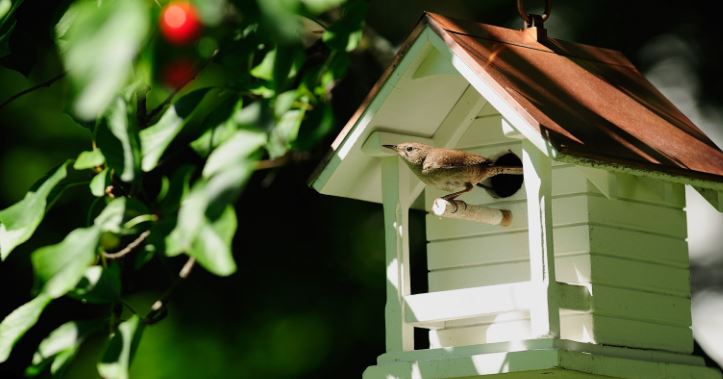
- Habitat: They provide food, nesting places and shelter for animals such as birds, insects and small mammals.
- Aesthetics: Hedges give structure to the garden and can attract attention with their flowers, fruit or foliage colours. Evergreen hedges provide color and structure even in winter.

2. Plan your hedge
Step 1: Choose the right plants for your hedge
The choice of plants depends, among other things, on the function that the hedge should perform in your garden:
1. Evergreen hedges: ideal for privacy
The evergreen plants guarantee privacy all year round and a quiet and private garden. They are therefore particularly popular in modern, reserved and rather clean garden design. Popular varieties include:
- Cherry laurel (Prunus laurocerasus): It grows quickly, is dense and tolerates cutting. Ideal for tall, closed hedges.
-
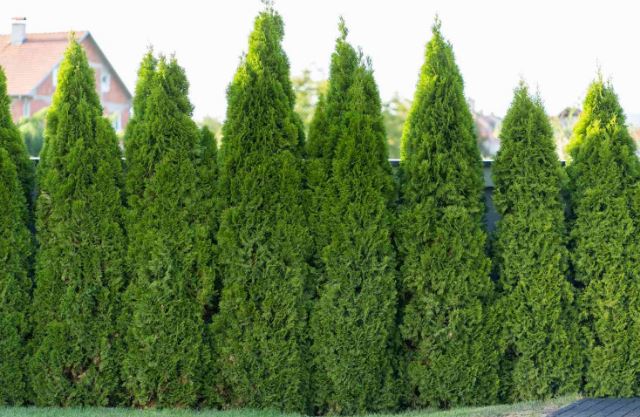
Technology (Ret): Classic conifer, robust and easy to care for. Thanks to its narrow and upright habit it is also very suitable for small gardens.
- Eibe (Baccata Taxus): Elegant and very long-lived conifer, also suitable for narrow hedges and is considered very robust and undemanding. But be careful: toxic for humans and animals!
If you are particularly interested in evergreen hedges, be sure to read this blog article where we show you these and other evergreen hedges: The most beautiful evergreen hedge plants.
And you can find wonderful classic hedges for privacy protection in the garden, some evergreen, but some also deciduous, in this blog post: 7 easy-care hedges with privacy protection.
2. Flowering hedges: bright colors and suitable for insects
Flowering shrubs bring color and therefore life to the garden – and are particularly suitable for insects, as the flowers are often highly prized by bees and other insects as a food source. If you cut the hedge, it will also provide good privacy, although not as thick and strong all year round as an evergreen hedge. Very suitable examples:
- Dogwood (Mas Cornus: Early flowering with bright yellow flowers and edible red fruits. Robust and compatible with pruning, ideal for natural hedges.
- Pink Weigelie: Lush pink flowers from May to July that attract bees and butterflies. Undemanding and easy to maintain, perfect for flowering and decorative hedges.
- However Flieder (Syringa vulgaris): Intensely scented flower spikes in spring. Fast growing, easy to cut and ideal for romantic gardens.
- Blutjohannisbeere (redcurrant): Bright red flowers in spring, robust and easy to care for. Perfect for loose, vibrant hedges with spring colours.
- Stuffed viburnum (Viburnum opulus ‘Roseum’): Balls of white flowers, densely filled in spring. Undemanding, easy to cut and ideal for classic and elegant hedges.
In addition, the following plants are also suitable: European Pipe Bush/Scented Jasmine, Forsythia, Magnificent Spar, Tall Beetle Bush, Plena Double Star Bush, Devil’s Bush, Hibiscus ‘Blue Bird’.
3. Mixed hedges: the perfect combination
Mixed hedges combine the advantages of different plants and are therefore often attractive to animals and offer beautiful flowers.
Examples of combinations:
- For long flowering times: Combine various flowering hedge plants, such as forsythia, which flowers yellow very early, with a red currant, which flowers pink from March to June, a European bush/scented jasmine, which flowers white in May, and a double viburnum, which flowers white in May and June.
- For privacy and respect for animals: Combine winter green plants such as privet with fruiting shrubs such as hawthorn and wild roses (e.g. white apple rose, blue pike rose, many-flowered rose or pebble rose). So there’s privacy for you and food for the animals!
- By structure and color: Complement dense, formal plants like cherry laurel with showy specimens like red dogwood or Elderberry for visual accents. Attractive red-leaved plants such as the devil’s bush, the beautifully flowering purple plum, the copper beech with its attractively colored leaves or the red barberry (for low hedges) are also suitable here..
4. Low hedges – for bordering flowerbeds
For low hedges, plants that grow more slowly or that tolerate pruning are suitable:
-
Boxwood (Buxus): Classic for formal beds, but sensitive to boxwood moths.
- Ilex (Ilex crenata): Robust, evergreen alternative to boxwood.

Step 2: Plan the correct height and shape
1. What height is suitable for your garden?
-
Low hedges (up to 50 cm): Perfect for borders or low fences.
- uncut: lavender (Lavendula angustifolia in varieties), sage (Salvia nemorosa), blue or green bear grass (Festuca), spider crab (Potentilla fruticosa)
- cutting: cup yew (Taxus media Hilli + Hicksii), hedge myrtle (Lonicera nitida Maigrün), Bergilex (Ilex crenata in varieties)
-
Medium height hedges (up to 1.5 m): Suitable for property boundaries and as a windbreak.
- High hedges (1.5 m – 3 m): Ideal for privacy and as a divider for green environments.
- for pruned hedges: the hedge plants already mentioned for hedges up to 1.5 m, also: Thuja Smaragd, Leyland cypress, medlar, field maple and the varieties of deciduous hornbeam beech, common beech, copper beech.
- uncut hedges: e.g. forsythia, red currant, dogwood, stuffed viburnum, blackthorn, elderberry, devil’s bush, true lilac, priest’s hat, sage willow, single-flowered hawthorn, hazelnut, dog rose, multi-flowered rose, Japanese quince,… – as you can see, the list is long and incomplete, do not hesitate to contact us if you would like advice on a specific plant!
2. Shaping: Natural or strictly cut?
-
Naturally growing hedges: They appear loose and close to nature and are particularly suitable for mixed hedges. However, an uncut hedge requires a lot of space in height and width and is therefore particularly suitable for large natural gardens. It often offers plenty of food and protection for animals and requires little effort in care, but does not necessarily offer privacy due to irregular growth.
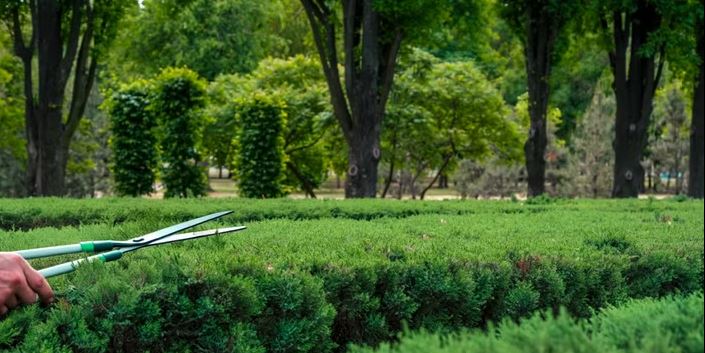
- Formal hedges: Thickly and regularly pruned hedges of plants such as beech (hornbeam, copper beech or common beech) or thuja, yew or Leyland cypress appear elegant and well-groomed).

Step 3: Planting and Care
1. Choose the right location
Check the soil and lighting conditions in your garden:
-
Many hedge plants prefer a sunny or partially shaded location. The yew, for example, is particularly suitable for shade.
- Pay attention to soil conditions: sandy soil requires more water, clay soil must be well drained.
2. Pay attention to planting distances
Depending on the type of plant, the planting distance varies:
For “classic” hedges that you can find in our hedge plants category, you will also find information on how many plants you should expect per metre.
3. Plant the hedge correctly
-
Loosen the soil and enrich it with compost or potting soil.
-
Position the plants so that the roots are just covered with soil.
- Water well after planting and water regularly for the first few weeks.
3. Inspiration: Hedges for special purposes
The animal-friendly hedge
A mixed hedge with flowering and fruiting shrubs offers shelter and food to animals:
-
Plants: hawthorn, blackthorn, wild roses (e.g. multi-flowered rose, beaver rose, dog rose) and elderberry)
-
Combination: use blackthorn and hawthorn as a base and complete the hedge with wild roses and elderberry. There are flowers in spring and fruits in autumn or winter.
- Let the hedge grow naturally to create dense hiding places. It needs space in the garden
Romantic floral hedge:
Ideal for cottage gardens or romantic garden designs:
- Plants: hydrangeas, weigela, deutzia, buddleia
- Combination: Use weigela and deutzia for medium height areas and complement them with hydrangeas for more fullness; Agricultural hydrangeas are great for hedge filling, and due to their size, you can also use panicle hydrangeas as part of the hedge.
The flowering hedge: beautiful all year round
Choose shrubs that flower at different times:
Evergreen elegance for modern gardens
For clear structures and privacy protection in minimalist gardens:
- Plants: Portuguese cherry laurel, privet, thuja, yew
- Combination: for example, plant cherry laurel for large areas and complete the hedge with narrower privet in the passages.
Floral hedge and privacy:
A colorful hedge that is still thick enough for privacy:
- Plants: e.g. privet, forsythia, viburnum, However, all ornamental and wild shrubs are suitable for this purpose if they are pruned regularly.
- Combination: Choose privet as the basic structure for your hedge and loosen the structure with flowering shrubs such as forsythia and viburnum.

Conclusion: your hedge, your garden paradise
You see, with the right planning the hedge not only becomes a functional privacy protection for your neighbors, but also a real highlight. Whether evergreen, flowering or animal-friendly, there are many options for a beautiful hedge! If it is important for you to know how demanding classic hedges are, take a look at our comparison (Easy to clean hedges in comparison); If you appreciate planting a hedge made from native trees, you can find more information in this blog post (Hedge with a difference: Discover native trees).
So design your hedge according to your wishes – and be sure to contact us if you would like assistance in choosing, we will be happy to advise you!
latest posts published

Taking over a craft business: purchase, legal issues and more

Estimating costs in commercial transactions: it doesn’t always have to be free!

The 10 most important questions in summary

Plant, care for and trim harlequin willow correctly
Fast-growing trees and shrubs for impatient gardeners: chaffinch

How do we choose the right carpet? – Select Design

Building Information Modeling (BIM) for merchants

Best practices in financing management

This will change for artisans in 2025