To ensure your garden remains attractive even in winter, we have collected 6 tips for you here. With the right mix of evergreen plants, colorful berries and frost-resistant structures, the conservatory can be designed so that it retains its magic even in snow and frost. Here are six tips to make your garden a beautiful place even in winter:
1. Evergreen plants for color and texture
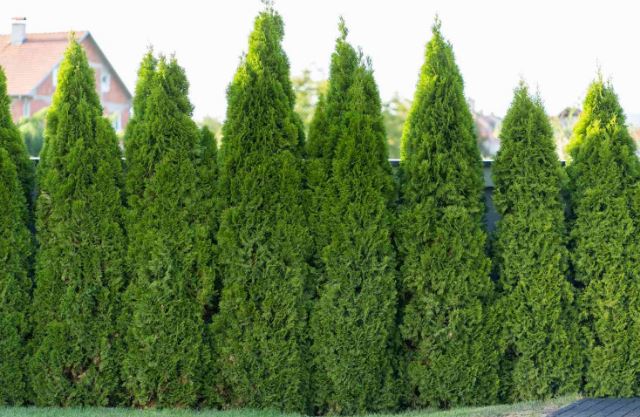
Evergreen plants are the basis of a beautiful winter garden, as they retain their color even in the cold season and thus continue to give structure to your garden. Furthermore, not only are they easy to care for, they also offer privacy, which is particularly ideal for hedge plants such as Thuja Smaragd and Yew, but evergreen ground cover plants also provide color and structure to flowerbeds
- Yew (Taxus baccata): An elegant choice for small and large gardens. With its dark green needles and dense structure, the slow-growing yew offers year-round protection and is suitable for modern, natural gardens.

- Thuja ‘Smaragd’ (Thuja Occidentalis): This slender emerald green conifer is ideal for narrow hedges and requires little space. With a height of up to 4 meters, it is a nice and narrow privacy screen.


Suggestion: Evergreen plants harmonize particularly well with ornamental grasses or hardy perennials, which loosen up the garden and keep it moving.
2. Structure and color through special bark and twigs
Since many shrubs and trees lose their leaves in winter, the bark and twigs regain their leaves. Some plants are characterized by bright bark colors or a striking structure and are a real highlight in the cold season.
- Red dogwood (Cornus sanguinea): This shrub with its bright red branches provides color accents and is a real eye-catcher in the winter garden. It adapts particularly well to modern and natural gardens.

- Sweetgum tree (Liquidambar styraciflua): With its textured, gray-brown bark and distinctive fruit clusters, the sweetgum tree gives the garden a rustic touch.
3. Ornamental grasses for elegance and dynamism
Ornamental grasses add lightness and movement to the garden as they often retain flower heads in winter. In any case you should not cut ornamental grasses in autumn, it is only necessary when you are young and so you can enjoy the sight of ornamental grasses even in winter. Particularly beautiful varieties such as miscanthus, pampas grass and pennisetum grass are eye-catchers, especially in snow or frost.
- Miscanthus ‘Gracillimus’: Ideal for larger gardens and, with its tall, graceful stems, an elegant privacy screen. Even in winter it retains its shape and gives the garden a structured look.

- Pampas grass: Its large, fluffy flower fronds attract attention even in winter and give the garden an exotic touch.

- Pennisetum grass ‘Hameln’: With its feathery, light brown inflorescences, the Pennisetum grass remains attractive well into winter and finds its place even in smaller gardens.

Tip: Ornamental grasses work particularly well in combination with evergreen shrubs and perennials and can be beautifully displayed in group plantings.
4. Colorful berries for a pop of color and bird food
Berry bushes not only add colorful accents to the conservatory, but also provide a valuable food source for birds. With bright colors and decorative fruit clusters, they bring the garden to life.
- Pfaffenhütchen: With its eye-catching pink-orange fruits, the Pfaffenhütchen looks like a gem in the garden. The exotic fruits last until winter and provide food for small birds.

- Wild roses (Rosa canina): The red rose hips shine particularly well in winter and attract birds with their colorful splendor. Wild roses are not only decorative, but also add structure to hedges.

Tip: Shrubs such as Pfaffenhütchen and wild roses are equally attractive in mixed as well as solitary hedges and are suitable for natural gardens or cottages.
5. Winter bloomers for color and scent
While many plants go dormant in the winter, winter flowers such as witch hazel, winter viburnum and sweetheart bush bring accents of color and a delicate scent to your garden. These plants defy the cold and give the garden a spring touch, in the middle of winter.
- Witch hazel (Hamamelis): its golden yellow to red flowers appear in the cold season and give the garden an almost mystical appearance. Witch hazel is ideal as a solitaire and fits well in natural or Asian gardens.

- Beautiful fruit/love pearl bush (Callicarpa bodinieri): The love pearl bush produces bright purple berries from autumn onwards, which last into winter and add an exotic accent. With its unusual color it is a real highlight in modern or romantic gardens.

- Winter Viburnum (Viburnum bodnantense): With its delicate pink flowers and wonderful scent, Winter Viburnum is a beautiful addition to the winter garden. It works well as a solitary plant or for mixed hedges and is particularly attractive in sheltered places in the garden

Tip: Plant these winter flowers near seats or driveways so you can enjoy the flowers and scent while taking a short walk in your garden.
6. Wilted plants and perennials as winter accents
Many flowering plants and perennials retain their wilted structures in winter and look especially picturesque when covered in frost or snow. Dried inflorescences and seed heads can give the garden an almost magical winter setting. So deliberately leave perennials standing to maintain them as winter accents and also provide food for animals.
- Coneflower (Echinacea): The wilted heads of coneflower form charming shapes and also provide valuable food for birds such as finches.
- Tall sedum (Sedum spectabile): The thick inflorescences of the sedum remain until winter and have a magical, crystal-like layer when there is frost.
- Asters (Aster): Their dried inflorescences create an interesting structure even in winter and give the garden a certain depth.
Evergreen plants, ornamental grasses, fruit ornaments, winter flowers and even faded perennials simply ensure that your garden remains attractive in winter. So, when planning and designing your beds, be sure to take winter into account as well.
In this winter blog post you’ll also find more inspiration for winter flowering shrubs, as well as shrubs with interesting bark – check them out!
Be sure to contact us if you still need help with your selection – we will be happy to advise you!
Happy gardening! 🙂
latest posts published

Taking over a craft business: purchase, legal issues and more

Estimating costs in commercial transactions: it doesn’t always have to be free!

The 10 most important questions in summary
Plant, care for and trim harlequin willow correctly
Fast-growing trees and shrubs for impatient gardeners: chaffinch

How do we choose the right carpet? – Select Design

Building Information Modeling (BIM) for merchants

Best practices in financing management

This will change for artisans in 2025