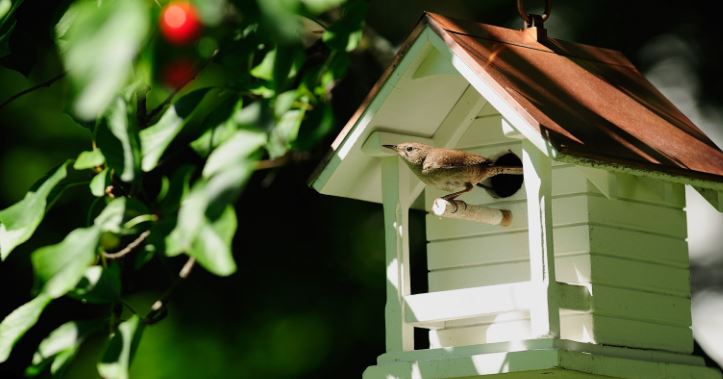
A natural garden is characterized above all by the fact that plants offer ecological added value: they provide food and habitat for insects, birds and other animals. Native shrubs have the advantage of adapting well to local conditions and are therefore robust and hardy, making them generally quite easy to look after! Shrubs are also indispensable elements in the design of a natural garden: not only do they provide a real feast for bees and birds, but their leaves and flowers also add structure and color to the garden design! Which shrub suits your garden? Find the right inspiration here if you want to design a natural garden:
1. Kornelkirsche (Male horn) – The first sign of spring
Appearance and features:
The dogwood is one of the first plants to show its flowers after winter! Already in February or March, countless small yellow flowers decorate the bare branches and add a cheerful touch of color to the otherwise peaceful garden landscape. Precisely for this reason the flowers are a precious source of nectar for bees and bumblebees, who can enjoy their food. The cherry-red fruits that ripen in late summer are a delicacy for birds – and for us humans too! They are very rich in vitamin C and are perfect for jams or liqueurs! Dogwood growth is picturesque and often features many stems and fits harmoniously into any garden. We are big fans of carnelian and still consider it a real expert gem, and not just for your natural garden!
Location and care: This beauty is undemanding and easy to care for! It grows in both sun and partial shade and thrives in sandy or clay soil. Pruning is only necessary if necessary, as the dogwood develops a beautiful, natural growth habit.
Fits: Natural and wild gardens, elegant ornamental gardens or as part of a mixed hedge which remains attractive all year round. For smaller gardens it can be kept compact by pruning.

2. Black elderberry (Sambucus nigra) – All-rounder with healing properties
Appearance and features: Whoever has elderberry as a shrub in their natural garden has a true treasure chest of nature! This large, fast-growing shrub (up to 7 meters high!) impresses with its fragrant umbels of creamy white flowers in early summer. The flowers attract numerous bees and butterflies and can be made into delicious syrups or elderberry tea. In autumn, shiny black berries hang from the branches (if you haven’t picked the flowers 🙂 ), which are a real feast for birds – or can be made into juices and jellies. If you attach particular importance to the processing of flowers and fruits, you should choose an elderberry Haschberg: it has particularly large and aromatic fruits.
Location and care: Elderberry is a survivor! It grows almost anywhere, but prefers sunny or partially shaded locations with nutrient-rich soil. A real breeze in terms of care – and if it gets too big, it can simply be reduced.
Fits: Natural gardens, country gardens, orchards or as a thick privacy screen in hedges. In smaller gardens it can be pruned regularly to remain more compact.

3. Common snowball (The richness of Viburnum) – autumn flowers and lights
Appearance and features: This shrub is a firework of the seasons! From May to June it develops its large spherical inflorescences, which shine brightly white. The flowers have a pleasant smell and are a valuable source of food for bees and butterflies. In autumn, the common viburnum transforms into a veritable sea of color and brings Indian summer to the garden: the leaves shimmer in intense red and orange hues, and the bright red berries offer birds a welcome source of food. However, it is poisonous to people and dogs.
Location and care: Viburnum likes moist to normal garden soil and is comfortable in sun and partial shade. It is extremely robust and easy to maintain. Pruning is rarely necessary, but it grows quite quickly.
Fits: Wild hedges, natural gardens, but also modern and ecological gardens. Perfect for flowering hedges with seasonal variety.

4. Hazelnut (Corylus avellana) – Local nut supplier
Appearance and features: Hazelnut isn’t just heaven for squirrels! It grows in a loosely branched manner up to 5 meters in height and attracts attention in spring with its golden yellow catkins; many insects also love it as food. In autumn the aromatic nuts guarantee a delicious harvest, both for you and for wildlife. If you also want to use some of the dried fruit, the “Webbs Preisnuss” variety is the right hazelnut for you because it is particularly productive.
Location and care: Sunny or partially shaded locations and almost any soil are ideal. It grows quickly and requires little care.
Fits: Natural gardens, wild hedges, large gardens with space. Perfect as a loose natural hedge plant or as a natural privacy screen. Less suitable for smaller gardens unless pruned regularly.

5. Rosehip (dog rose) – Wild romance in a natural garden
Appearance and features: The dog rose, a native wild rose, exudes rural charm! From June to July it produces delicate pink to white flowers with an intense scent that attract bees and butterflies. Bright red rose hips ripen in autumn and are a valuable source of food for birds in winter (but can also be used by people!). The thorny branches keep predators away and are therefore ideal for bird nests.
Location and care: Undemanding and resilient. It loves sunny or semi-shaded positions and requires little care. Its robustness makes it ideal for flowering hedges and as a privacy screen.
Fits: Romantic gardens, natural hedges and smaller gardens because it’s easy to keep fit.

6. Faulbaum (Frangula alnus) – The magnetic butterfly
Appearance and features: Sea buckthorn is a true paradise for butterflies and bees. From May to September it produces small green-whitish flowers that attract numerous pollinators. Its dark berries serve as a food source for birds in autumn. However, all parts of the plant are poisonous.
Location and care: Undemanding and robust. It grows in sun and partial shade, prefers moist soil, but can also cope with temporary drought.
Fits: Natural gardens, hedge plantings – also suitable for smaller gardens.

7. Common Privet (Common Privet) – The robust hedge plant for the natural garden
Appearance and features: Privet is a real all-rounder in the garden! This dense, bushy shrub reaches a height of up to 4 meters and creates a reliable green wall. It is often used by birds as a hiding place and nesting place and is also enjoyed by other small animals. Its glossy dark green leaves provide structure and in summer it produces spikes of fragrant, creamy white flowers that attract numerous insects. In autumn, small, black, shiny berries develop: a real feast for many bird species.
Location and care: Privet is extremely easy to care for, tolerates pruning and grows almost anywhere, both in the sun and in partial shade. It grows particularly quickly and can be cut regularly to form a dense, compact hedge.
Fits: Ideal for dense hedges and as a privacy screen, it also adapts well to modern natural gardens. Because it grows quickly, it needs to be pruned regularly in smaller gardens.

8. Weissdorn (Crataegus monogyna) – The protective shrub for birds
Appearance and features: The hawthorn is a true natural wonder! Its thick, thorny branches provide a safe nesting place for birds and a safe hiding place for other small animals, while its delicate white flowers shine in all their glory and exude fragrance in spring. Bees and butterflies literally fly to this shrub, and in autumn it produces bright red fruit, which is a valuable winter food for many bird species.
Location and care: Undemanding and adaptable: the hawthorn grows on almost all soils, dry or humid. It likes sunny or semi-shaded places and can be easily trimmed into shape.
Fits: Natural gardens, hedges for bird protection, wild flowering hedges and small gardens because it remains compact.

9. Red dogwood (Bloody horns) – colorful colors all year round
Appearance and features: The red dogwood is a feast for the eyes in any season! Its deep red shoots create bright accents in the bare winter, while in spring it delights with delicate umbels of white flowers. In summer it produces dark berries that are popular with birds, and in autumn its foliage transforms into a spectacular display of yellow, orange and red.
Location and care: The red dogwood is also a survivor: It thrives in both sunny and partially shaded locations and can handle almost any terrain. It is extremely easy to cut and can be kept in good shape.
Fits: Wild hedges, modern natural gardens, as an eye-catcher in small gardens or as a living hedge.

10. Woolly Snowball (Viburnum lantana) – Indestructible and bee-friendly
Appearance and features: This shrub is a real powerhouse if you want to create a garden close to nature! Woolly snowball has large, velvety, hairy leaves that give it a special feel. From May to June it is adorned with dense creamy white flowers that have an intense scent and attract countless bees and butterflies. Subsequently, showy berries develop, first red and then black, which constitute an important source of food for birds. The plant is slightly poisonous to humans.
Location and care: Undemanding and robust: this shrub adapts well to dry and nutrient-poor soils. It grows in sun and partial shade and requires little care.
Fits: Natural hedges, low maintenance gardens, wild gardens and small gardens, as it can be kept compact with pruning.

The 10 shrubs provide real added value for wildlife in the nature garden – and as native shrubs they are also hardy and robust!
We will be happy to help you choose the right shrub for your individual natural garden, whether designing a natural hedge, the right shrub as a privacy screen or as a solitary tree in your garden – contact us!
Happy gardening! 🙂
latest posts published

Taking over a craft business: purchase, legal issues and more

Estimating costs in commercial transactions: it doesn’t always have to be free!

The 10 most important questions in summary
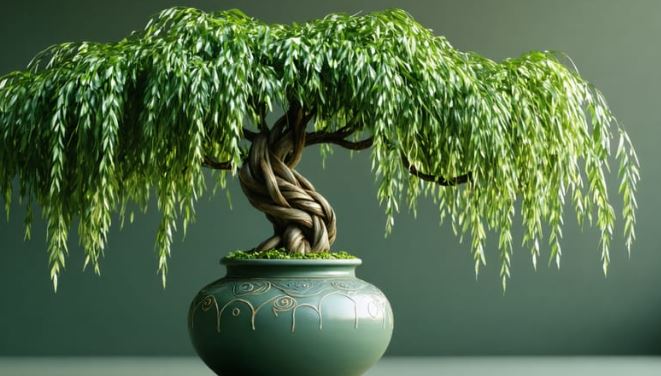
Plant, care for and trim harlequin willow correctly
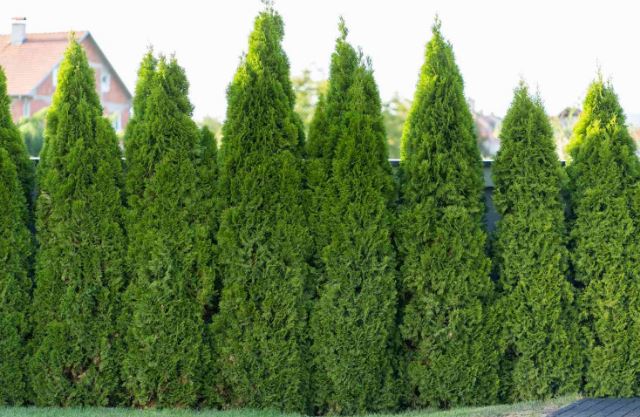
Fast-growing trees and shrubs for impatient gardeners: chaffinch

How do we choose the right carpet? – Select Design

Building Information Modeling (BIM) for merchants

Best practices in financing management

This will change for artisans in 2025